
Vagusvit
A German breathing pacer: $7.99 once, no subscription, no data collected. The rhythm has good research; the app has none of its own and hasn't been updated since 2022.
A German breathing pacer: $7.99 once, no subscription, no data collected. The rhythm has good research; the app has none of its own and hasn't been updated since 2022.
The cuff lets go of your arm with a long hiss. 142 over 91, again. The nurse writes it down, and on your way out someone suggests breathing exercises, the way people suggest drinking more water.
So you search, and up comes a German app built to strengthen "the relaxation nerve." It costs less than lunch. Is it worth anything, when breathing is free?
COMMIT GmbH is a family company in Salzgitter, Germany, founded in 2007, that trades online as Creating Health. Much of its range is aimed at doctors and Heilpraktiker (Germany's state-licensed alternative practitioners): hypoxia-training machines, a cryo chamber, supplements, and an in-clinic heart rate variability (HRV) test using a chest strap. When that test shows a problem, COMMIT suggests starting this app.
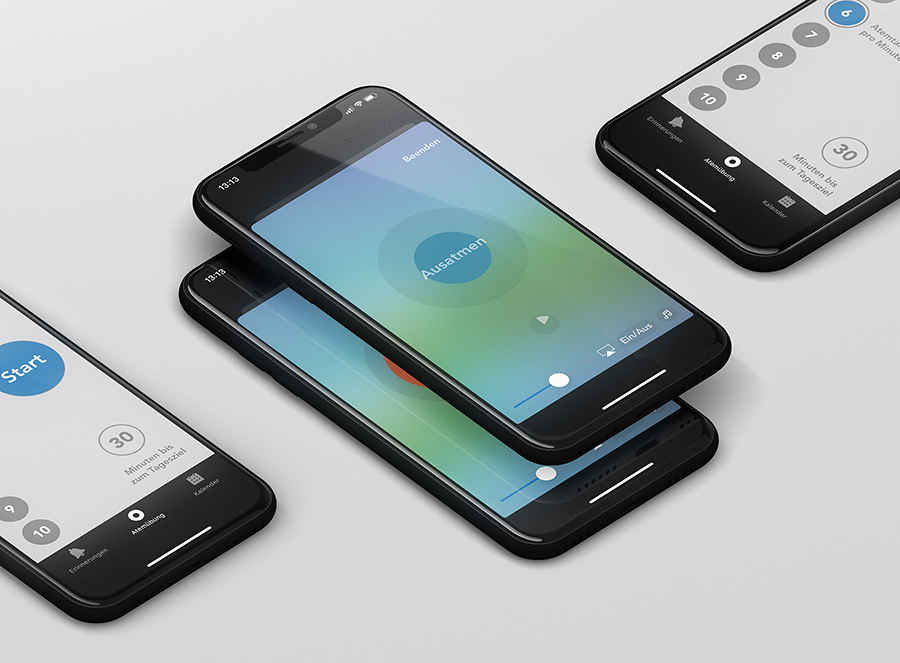
The app, listed as Vagusvit Home, launched in 2016:
The last iPhone update was in January 2022. Reviews from 2024 and 2025 suggest it still works, but it's gone nearly five years without an update.
In the way slow breathing is. When you breathe out slowly, your heart slows a little, and that's your vagus nerve at work (the Science explains why). Vagusvit keeps the beat. It stimulates nothing, and apart from the name, nothing about it is specific to the vagus nerve.
The nerve responds to your breath, not the app.
Slow breathing: good. A 2022 review of 223 studies found slow breathing raises the heart rate variability linked to your vagus nerve. In the 2023 Stanford study of about 100 people, five minutes a day of cyclic sighing lifted mood more than mindfulness meditation.
The app itself: nothing published. The App Store cites studies "from around the world" without naming one. We found no study of Vagusvit.
"In the national guidelines." The App Store and COMMIT both say the six-breath rhythm is in Germany's national care guidelines, without saying which. We couldn't find one that names six breaths a minute. The nearest we found, Germany's 2023 high blood pressure guideline, recommends relaxation methods in general and calls that evidence less robust.
Is four in, six out best? The listing says that split stimulates the vagus nerve most. A 2024 paper found earlier studies disagreed on whether a longer exhale beats an even one, and its own two small trials found no difference in HRV. The slow pace seems to matter more than the split.
Blood pressure. COMMIT says a healthy vagus nerve helps lower blood pressure. The closest evidence is a 2012 review of eight trials (494 people) of RESPeRATE, a breathing-pacer device sold for blood pressure: a small drop overall, which vanished when the five trials sponsored by or involving the maker were left out.
As of October 2026, Vagusvit has 3.2 stars from 51 ratings on the German App Store and a single rating in the US. We read all 28 written German reviews, from 2016 to 2025. Google Play wouldn't load for us, and we found no independent reviews.
Several reviewers came via their doctor. Fans like a simple, ad-free app that suits older users; a couple report better sleep or lower blood pressure readings. The longest-running complaint, from 2019 to 2021, was sound cutting out; we saw none after a January 2022 update. Others call it too little for the price when free apps or an Apple Watch do the same, and some want a slower rhythm or a watch app.
Prices as of October 2026.
Sit, set a timer for five minutes, and breathe in through your nose for four seconds and out for six. That's Vagusvit's main rhythm. If six feels long, try five and five; the pace matters more than the split.
If you keep losing count, that's when a pacer earns its $8. More free options are in the Analogs.
Yes, on the US App Store as Vagusvit Home, in English, for $7.99 (as of October 2026).
No. It paces your breathing. COMMIT's HRV test is a separate chest-strap product used in practitioners' offices.
It doesn't claim to be, and we found no DiGA listing. It's a breathing pacer.
Probably not by much. Studies disagree on whether a longer exhale adds anything; slowing to about six breaths a minute matters more.
Vagusvit is a modest, private, pay-once breathing pacer from a German company whose range leans toward clinics. Its rhythm has decent evidence. The app has no studies of its own, its guideline claim doesn't hold up as stated, and it hasn't been updated since 2022. If your practitioner suggested it, $7.99 is fair. If not, I'd start with a free timer.
Four in, six out, five minutes. Tonight it's on the house.
A tidy, private iPhone breathing pacer from a solo French developer. Slow breathing has real evidence; the app's HRV, cortisol and lung claims are its own.
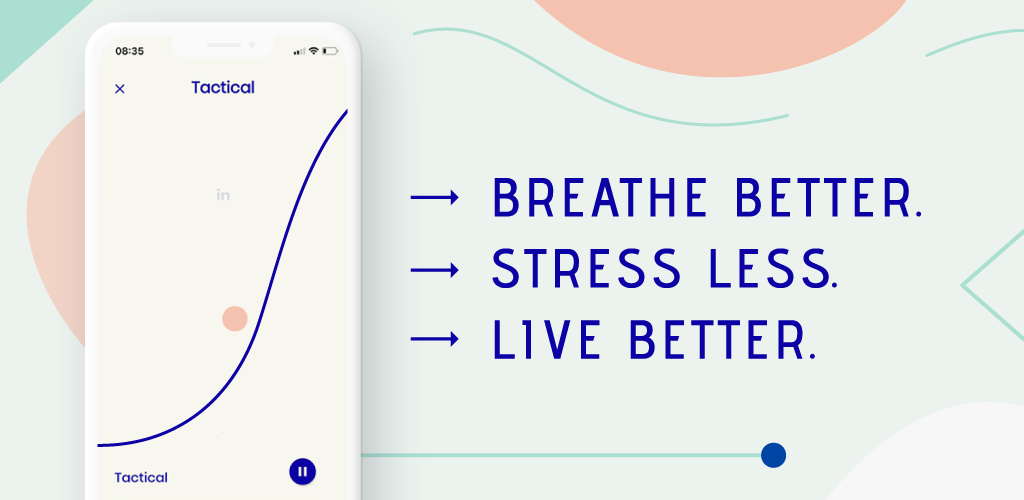
A tidy breathing pacer with a usable free tier. Slow breathing has real research behind it; this app has none of its own, and most people won't need Plus.
A huge, genuinely free library of meditations and sleep tracks, plus a timer that doubles as a breathing pacer. The catch: uneven quality and a pushier app than it used to be.